
Uncover your Herbal Ancestry
Everyone has sacred and healing plants in their lineage. Your family used plants for healing and survival for time immemorial.
This guided course will help you find the plants specific to your lineage, helping create a sense of understanding and belonging.
Using ethnobotanical research, archeology, folklore, guided meditation, and botanical traditional knowledge, you will be supported to create remedies from your own family’s history.
Thread the connection to your deeper wisdom
It is common in our modern society (especially in the United States) to have cultural amnesia.
Many of us have very little connection to our ancestral healing practices, which can increase the strain of finding a spiritual path beyond religion. All of us had Indigenous ancestors who belonged to a land and survived with them for food, shelter, medicine, and sacred ceremony.
So many people are seeking out plants from other cultures to find purpose, sacred use, and connection to Spirit and/or their ancestors. You can find your own sacred plants and uses - they exist.
Through diving into your ancestry, we first discover which lineage you would like to research (you can do multiple lineages if you choose). This can be by asking your family, participating in ancestral DNA test, and/or relying on stories you were told as a child.
Once you have defined where you would like to research, you will be guided on the resources to do so; ethnobotanical research, archeology, folklore, botanical books, and traditional knowledge.
To complete this course you will compile the information gathered, create a recipe that defines your family and yourself - how you will use it today and why - and share it with your cohort.
Some people will come across many barriers to finding their family of origin: adoption, enslaved ancestors, lack of genealogy, etc. We are all holding space for challenging history to arrive in this space. We all have ancestors who are good - no matter what the background is - we call upon them in these times of reclamation.
This is a 6-week course that will aid your own curiosity in this subject. Everyone’s experience will be unique.
Your family relied on plants for healing.
And you can remember them.

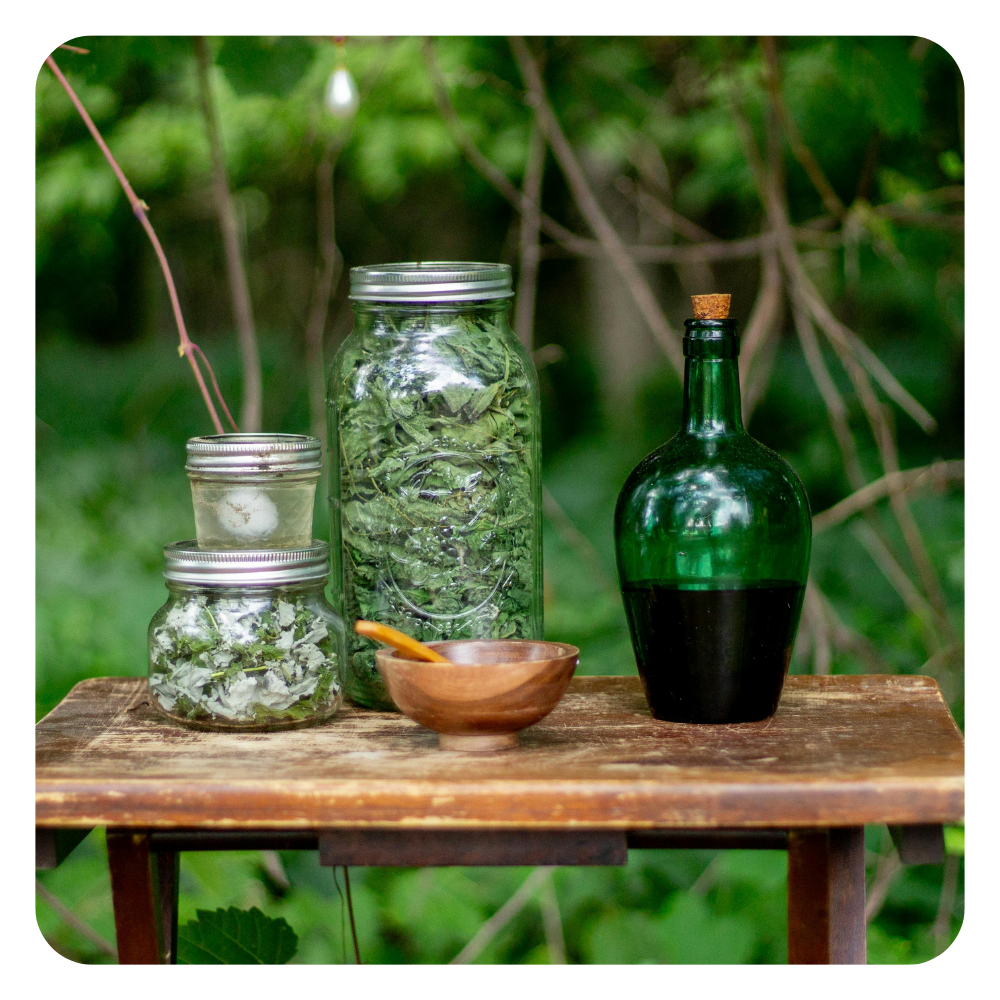

Herbal Ancestry Guided Course
This course is for those seeking a gentle entry into herbalism. Through six online circles, you’ll learn how to research your own lineage while exploring the medicines of your own ancestry.
Group Ancestral Discovery Modules
Finding your Ancestors
Defining sacred and healing plants
Research methods for seeking out your own ancestral plants
Understanding barriers
Intuition + Meditation to ancestors
Create a remedy from your own ancestry
1:1 Discovery Sessions
You will have the opportunity to meet with Laura Ash for one discovery session, helping you find your ancestors, their wisdom, and research your own plant knowledge.
The Ancestral Project (Final Assignment):
Choose a plant or recipe from your ancestry
Research its ethnobotany, mythology, rituals, story, and modern medicinal uses.
Create a recipe with this plant for self-care (ex. herbal bath salt for relaxation, herbal tea for helping digestion, body oil to support skin health, etc.)
Share your project with your cohort and community
What the Herbal Ancestral Journey means …
FAQs
-
Many students have gone through this course that are adopted and have very little information about their birth parents, therefore their lineage.
Most of these students chose to get a DNA test through Ancestry or 23&Me to explore their lineage of birth.
Although few, some folks decided to research their adopted family to dive deeper into the family they were raised in.
-
Absolutely not. Having your DNA tested is 100% your choice. Although a DNA test can make research much more compelling, it is understandable if you do not feel comfortable with a DNA test.
-
We have seen students from all over the world participating in the herbal ancestral reclamation project.
Some students come from over 5 lineages, others from 2, rarely from 1.
The research for finding ancestral plants is universal.
-
Since walking students through this ancestral herbal journey starting in 2018, we have not seen any student who could not find a plant or herb that their ancestors used, no matter how hard it was to access their history.
It is there, and we are honored to share the space to support you on your journey.
-
Some students have gone on to seek more information about their herbal lineage by traveling to the country of their ancestors. Others have integrated these plants into their daily lives, bringing meaning and belonging to something Greater.
Your journey is your own, and we support it fully.
-
In our experience, the more someone dives into their own ancestral traditional knowledge, the more respect they have of others’ sacred use. We hold the space as a community to encourage people to share as a learning experience, but not to take or use for our own sake, unless it’s our lineage also.
The rule we have when there’s a question of what herbs to use: go to your own lineage first.
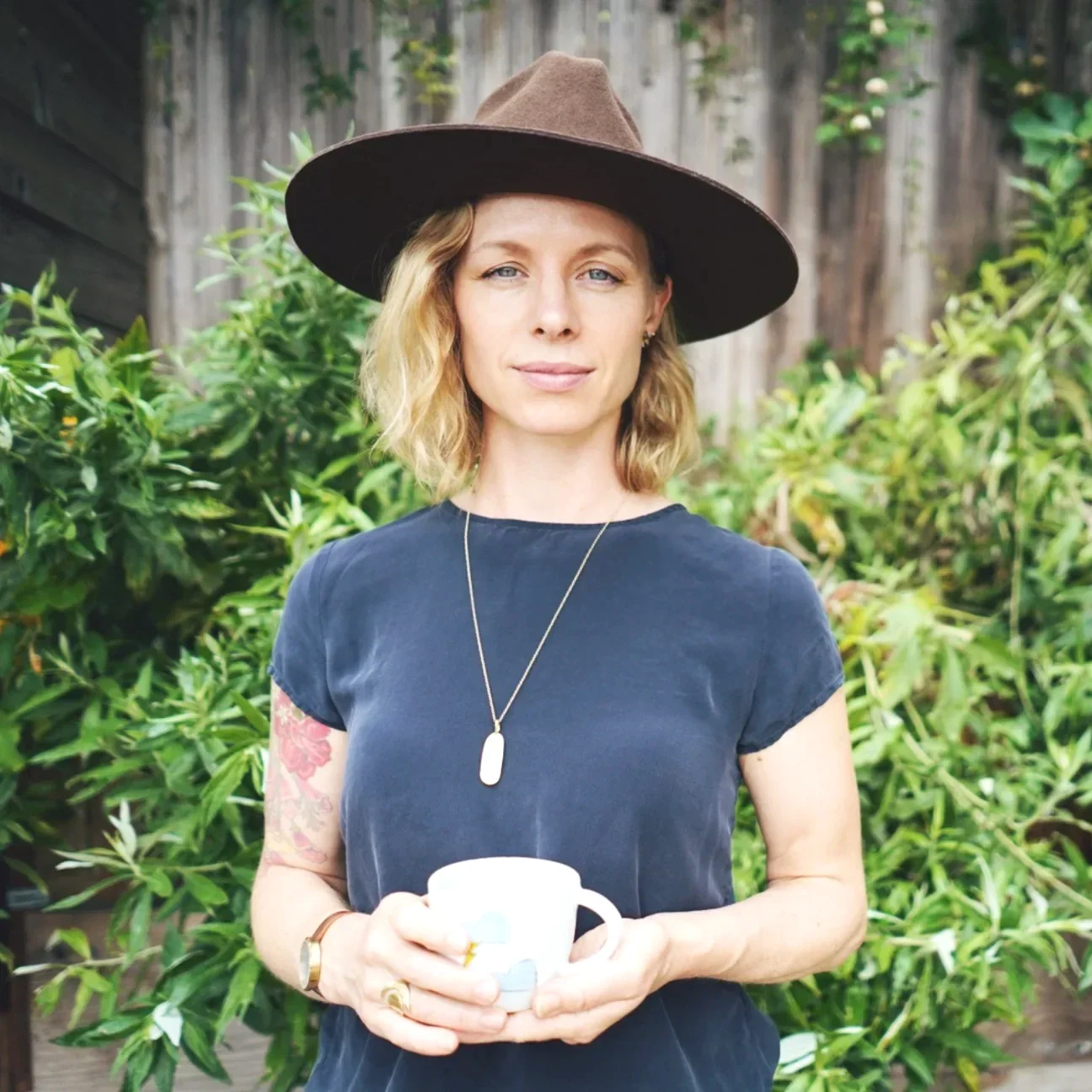
I am on this path with you
I am a clinical herbalist, educator, and lifelong student of ancestral healing traditions. For more than two decades, I have studied plants as healers, storytellers, and bridges between people, place, culture, and history.
I am of Swedish and British ancestry, yet I grew up in Northern California with very little access to the traditional medicinal knowledge, folklore, and healing practices of either lineage. Like many descendants of immigrants, much of that knowledge had been lost through migration, assimilation, and the passing of generations. I knew where my family came from, but I did not know the plants they had relied upon, the remedies they made, or the ways they understood health, land, and spirit.
That absence has shaped much of my work.
In 2010, I traveled to the Arctic Circle in Sweden, where I met with a Sámi herbalist who spoke openly about the loss of traditional medicinal wisdom within her own community. Her experience was culturally distinct from my own Swedish ancestry, but her story of disrupted knowledge affected me profoundly. I left Sweden with a desire to return and help document medicinal plant traditions that were at risk of disappearing.
I later moved to Tanzania, where my relationship with ethnobotany deepened through documenting traditional knowledge with the Maasai. Living alongside a culture in which medicine, land, spirituality, livestock, food, and community remained deeply interconnected showed me what it can look like when healing traditions are still held within a living cultural landscape.
That experience also brought my own lack of ancestral knowledge into sharper focus.
My own eventually brought me back to Sweden and into a much deeper exploration of my Swedish heritage through medicinal plants, folklore, foodways, traditional healing practices, spiritual ecology, historical records, and conversations with contemporary herbalists.
This research has grown into an ongoing Swedish herbal book project exploring traditional Swedish plant medicine, ancestral memory, migration, and the loss and reclamation of cultural knowledge.
Through my teaching at Land of Verse I invite students to explore that question within their own lives: to investigate the plants of their lineage, seek out traditional knowledge with humility and reverence, and build relationships with medicine that honor both ancestry and the lands where they live today.
For me, herbalism has become much more than the study of medicinal plants. It is a way of recovering relationship to ancestors, to land, to culture, and to the stories that tell us where we come from. It is a practice of remembering what was carried forward, acknowledging what was lost, and finding thoughtful ways to bring that wisdom into relationship with the present.
What’s Included in the Herbal Ancestral Guided Course
1:1 Session with Laura ($250 value)
6 Live Sessions ($900 value)
Access to Community (priceless)
Value: $1150
Total cost: $497
Fall 2026 course just announced
Dates: September 30, October 7, 14, 21, 28, November 4
6-7 pm PDT
Limited spots
Split your payment into 3 months, paying $510, or pay in full $497 for the Herbal Ancestral Guided Course